


The New Fly on the Wall
Starting this first blog post off with a bang in the form of a pet and human Health Service Announcement! Now everyone knows flies aren't exactly pleasant. They bite you, buzz around, and get in the eyes of horses and other animals. All in all, you just can't seem to be rid of them.
Unfortunately for all of us in North America, a new fly has made the trek from Cuba and other South American countries northwards. This particular pest is known as Cochliomyia hominivorax — in layman's terms, the New World Screwworm (NWS). This is not the USA's first rodeo with the NWS. We eradicated it entirely in 1966 and successfully eliminated a small outbreak from the Florida Keys in 2017.
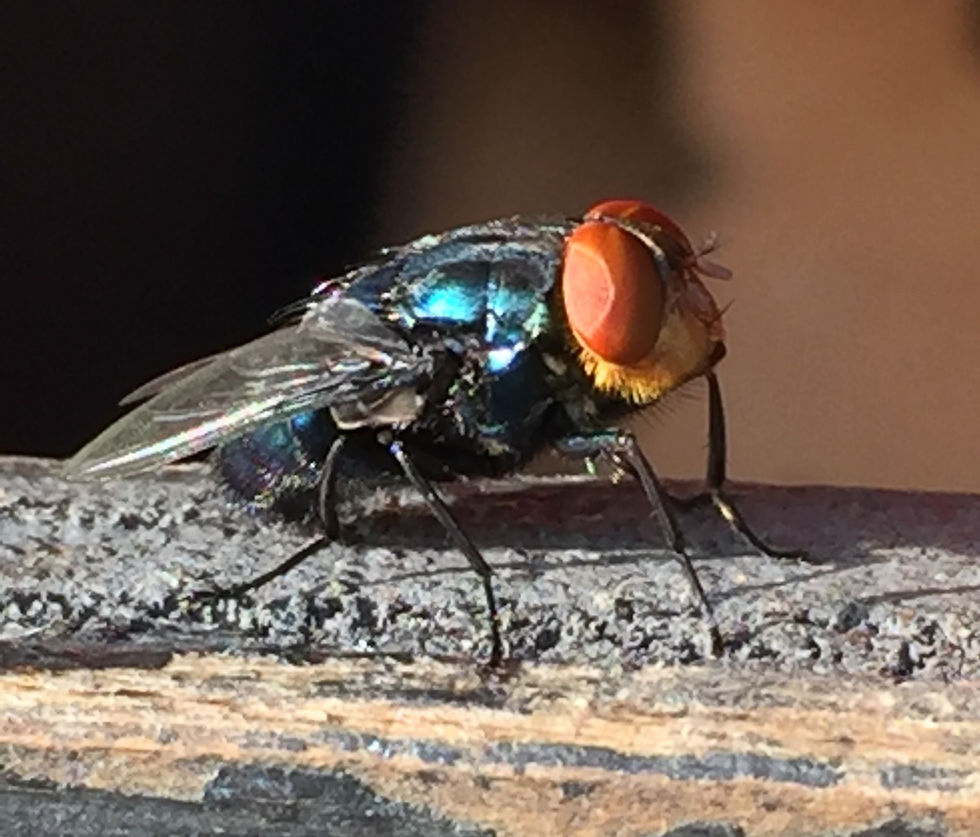
Now, what exactly did the NWS do to deserve complete and total eradication as early as '66 when we still have houseflies and horseflies and deerflies continuing to buzz around? Well, the common name is a hint, hope you have a strong stomach.
What is the NWS and Why is it a Problem?
"Screwworm" refers to the behavior of the larvae (maggots) as they burrow or "screw" into open wounds or orifices in general (think eyes, nose, and ears), eating the host's tissue from the inside. The wound can become much larger and more damaging as more eggs are laid and more maggots hatch and feed. In the worst-case scenario, the infestation leads to the death of the host.
Any creature that is warm-blooded can turn into a screwworm's meal (if you want to see what that looks like, check out these pictures). That means birds, pets, livestock, wildlife, and even people can find themselves playing host to these horrid little maggots.

Needless to say, NWS are no more welcome in North Carolina than they were in the Florida Keys. Which brings us to the most important part of today's post: How can YOU help prevent the spread of NWS?
Best Practices
Besides hitting metallic looking flies with the nearest book, there are some additional steps you can take to help the USA once again eliminate NWS.
First off, know your symptoms: Irritated behavior, head shaking, the smell of decay, and (the dead giveaway) the presence of maggots in wounds and orifices of living animals.
Secondly, if you think you have found a screwworm or an animal who has had the misfortune of playing host to these maggots, report it immediately to your State Animal Health Official and the Animal and Plant Health Inspection Service Office.
Last but not least, take steps for treatment if possible.
For an animal you love: Follow your veterinarian's recommendations for recovery from NWS.
For someone you know (or you): Seek immediate medical care and listen to your doctor.
Want to learn more? Check out this article by the USDA.
Otherwise, keep your fly swatters close at hand and keep an eye on injuries. We hope to see you and your furbabies in the future, preferably free of NWS.
Best,
Dr. K's Blonde Daughter

Comments